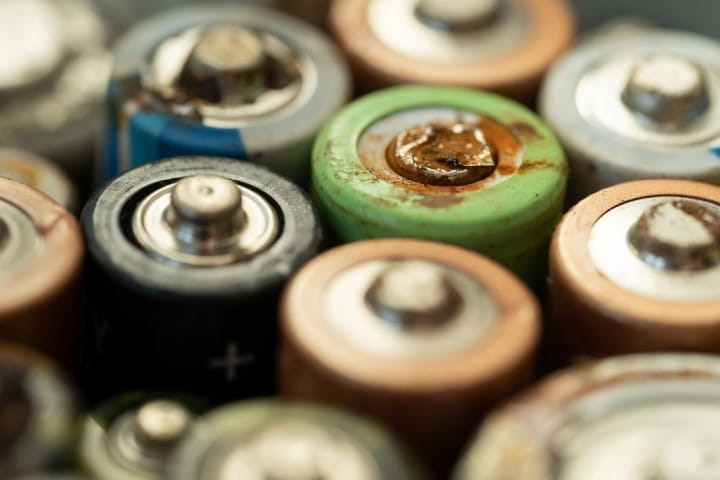
Battery leakage—when internal chemicals escape the casing—is a common problem that can damage devices and pose health risks. It mainly occurs in household batteries (alkaline, zinc-carbon), car batteries (lead-acid), and rechargeable types (Ni-Cd, Ni-MH). Understanding why batteries leak and how to prevent it can help prolong device life and ensure safety.
Why Batteries Leak
Chemical Pressure Build-up
- Alkaline & zinc-carbon: As these batteries age or self-discharge, they produce hydrogen gas. Excess pressure can rupture seals, allowing potassium hydroxide (for alkaline) or ammonium salts (for zinc-carbon) to escape
- Rechargeables (Ni-Cd, Ni-MH): Not fully sealed. Overcharging or aging can degrade seals, enabling electrolyte leakage .
Age and Self-Discharge
All batteries have a limited shelf life. Even if unused, they will eventually degrade and may start leaking. Zinc-carbon batteries typically last 3 to 5 years, while alkaline batteries can last around 5 to 10 years.
As batteries age, they slowly discharge. This process can weaken their internal structure and increase the risk of leakage.
Environmental Extremes
Exposure to high temperatures accelerates chemical reactions inside the battery. This raises internal pressure and increases leakage risk.
Extremely cold conditions can damage seals and reduce battery integrity. Repeated heating and cooling cycles also increase material stress and wear.
Mixing Different Batteries
Using batteries of different brands, chemistries, or charge levels in the same device causes uneven discharge. Weaker batteries can become reverse charged, leading to overheating and leakage.
Leaving Batteries in Unused Devices
If a device is not used for a long time but still contains batteries, the risk of leakage increases. Chemical reactions continue slowly even when the device is off, which can eventually lead to seal failure and leakage.
Overcharging & Faulty Charging Systems
In car batteries, overcharging produces excess heat and gas. This can crack the casing and cause sulfuric acid to leak.
Rechargeable household batteries can also leak if they are overcharged or if you try to recharge batteries that are not designed to be recharged.
Physical Damage & Manufacturing Defects
Dropping or crushing a battery can physically damage its casing.Some batteries may leak due to poor manufacturing or defective seals.
Common Leakage Types & Effects
- Alkaline batteries leak potassium hydroxide, a caustic base—not acid—that forms white potassium carbonate residue.
- Zinc-carbon batteries leak acidic electrolytes like ammonium chloride, harming device contacts.
- Lead-acid batteries release sulfuric acid, causing corrosion and skin/breath-gas hazards .
Prevention Strategies
Choose Quality and Fresh Batteries
Choose reputable brands and check the expiration date before purchasing. High-quality batteries are less likely to leak and usually last longer.
Store Properly
- Keep in cool (room temp), dry places—avoid hot attics or freezing garages .
- Avoid refrigerator storage—it may shorten battery life.
- Store batteries separately to prevent contact and short-circuiting .
Never Mix Batteries
Always use the same brand and type together, and replace all cells simultaneously .
Remove from Inactive Devices
Take batteries out of devices that will not be used for a while. This reduces the chance of slow discharge and leakage over time.
Prevent Misuse
- Don’t recharge primary (non-rechargeable) batteries .
- Avoid overloading devices or inserting excessive batteries.
- For rechargeable packs, follow charging guidelines and don’t overcharge .
Regular Inspections
Inspect both installed and stored batteries every few months. Look for signs of swelling, corrosion, or leakage and replace if necessary.
What to Do If Leakage Occurs
- Safety first: Wear gloves & goggles—potassium hydroxide and sulfuric acid are caustic
- Remove old batteries and seal them in a plastic bag for proper recycling
- Neutralize residue:
- Alkaline leaks: use vinegar or lemon juice, then wipe
- Car batteries: secure container to catch acid, consult a professional .
- Clean thoroughly: Mild acid cleaning followed by baking soda paste works for residue removal
- Dispose responsibly: Lead and acid-heavy batteries must be taken to hazardous-waste facilities
Battery leakage is preventable with knowledge and care. Choose quality batteries, store them properly, avoid mixing types, and remove them from idle devices. Inspect regularly and follow safe cleaning and disposal procedures. For car batteries, ensure correct charging and address damage promptly.