If you are looking for a reliable mid-range GPS cycling computer, the Garmin Edge 530 and Edge 830 were two of the most talked-about releases of 2019—and even today, they remain excellent values. They look nearly identical, offer the same powerful performance, and are purpose-built for both road and mountain biking.
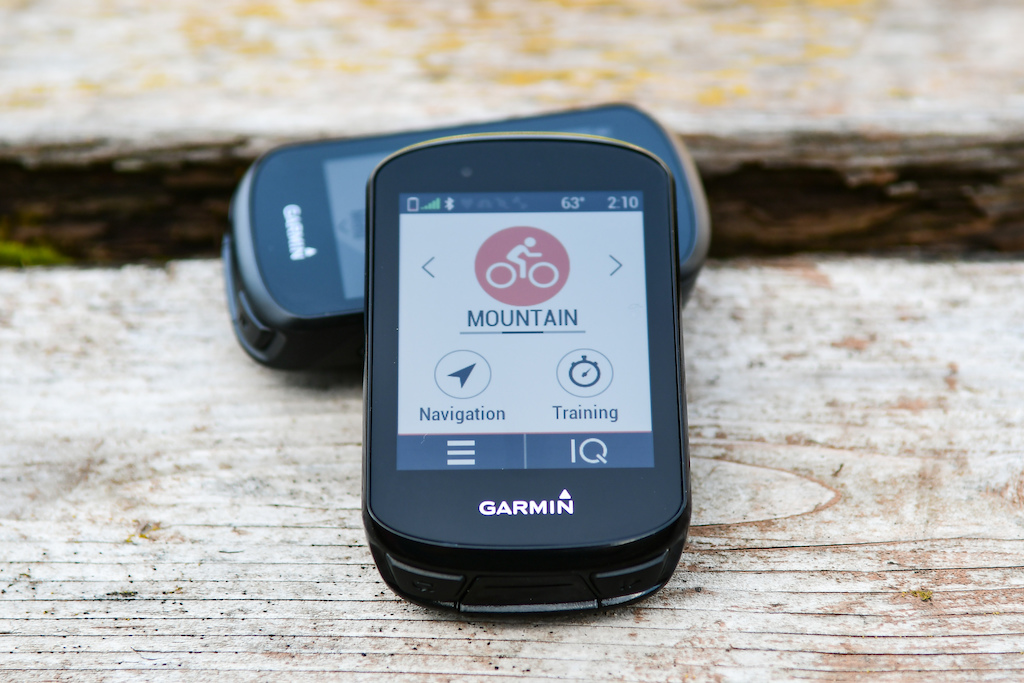
The key difference comes down to one question: buttons or touchscreen? Let’s break down their similarities and differences to help you choose the one that best fits your riding style.
What They Have in Common
These two devices are like twins, sharing 99% of the same DNA:
- Identical Compact Design: Both feature a 2.6-inch high-resolution color display, measure approximately 50 x 82 x 20 mm, and are incredibly lightweight (around 80g). They mount easily to your handlebars or stem.
- Battery Life: Up to 20 hours in typical use, extendable to 40 hours with the optional Garmin Charge power pack.
- Performance Insights: VO2 max, training load, recovery time, ClimbPro real-time ascent data, FTP testing, and dynamic performance monitoring.
- Mapping & Navigation Basics: Preloaded maps with turn-by-turn directions, Trailforks MTB data, and grit/flow metrics like jump count, distance, and hang time.
- Safety Features: Incident detection, GroupTrack, and compatibility with Varia radar lights and cameras.
- Connectivity: ANT+, Bluetooth, and Wi-Fi support with seamless Garmin Connect integration for route planning via phone or PC.
- Durability: IPX7 waterproof rating—ready for rain, mud, or sweat.
In short, whether you choose the 530 or 830, you’re getting advanced training tools, reliable GPS (GPS, GLONASS, Galileo), and everything most riders need to train and explore.
The Key Differences
Despite the similarities, there are a few distinct factors that set them apart:
- Controls: This is the biggest differentiator. The Edge 530 uses seven physical buttons, making it ideal for use with gloves or in wet conditions where tactile feedback is crucial. The Edge 830 features a responsive touchscreen alongside three physical buttons. While the 830’s screen works well in the wet, some riders still prefer the certainty of buttons during a downpour.
- Navigation Capabilities: The 830 has the upper hand here. While riding, you can search for addresses, points of interest (POIs), or tap the map directly on the device to create a route. The 530 is more limited—you can follow pre-loaded routes and make basic adjustments, but it lacks full on-device address searching or advanced routing. If you like “freestyle” navigation, the 830 is much more intuitive.
- Price: At launch, the 530 was roughly $100 cheaper than the 830 ($300 vs $400). Today, the Edge 530 typically remains the more budget-friendly option for cost-conscious cyclists.
Everything else—screen size, processing power, sensors, and software—is essentially the same.
Which One Should You Buy?
Go with the Edge 530 if you prefer the reliability of buttons, frequently ride in wet or cold climates, or simply want the best “bang for your buck.” It is perfect for structured training rides and following pre-planned routes.
Choose the Edge 830 if you prefer smartphone-style navigation and often explore new areas or input destinations on the fly. For many riders, the added convenience is well worth the extra cost.
Keep in mind that while both models have been succeeded by the newer Edge 540 and 840, the 530 and 830 still perform brilliantly in 2026—especially if you can find them at a discount.