Early-2000s Konica (later rebranded as Konica Minolta) digital cameras, such as the DiMAGE series and Revio compact models, typically use AA alkaline or NiMH batteries, CR-V3 lithium batteries, or dedicated rechargeable lithium-ion battery packs. Battery performance naturally declines over time due to ageing, the number of charge cycles, temperature fluctuations, and heavy usage.
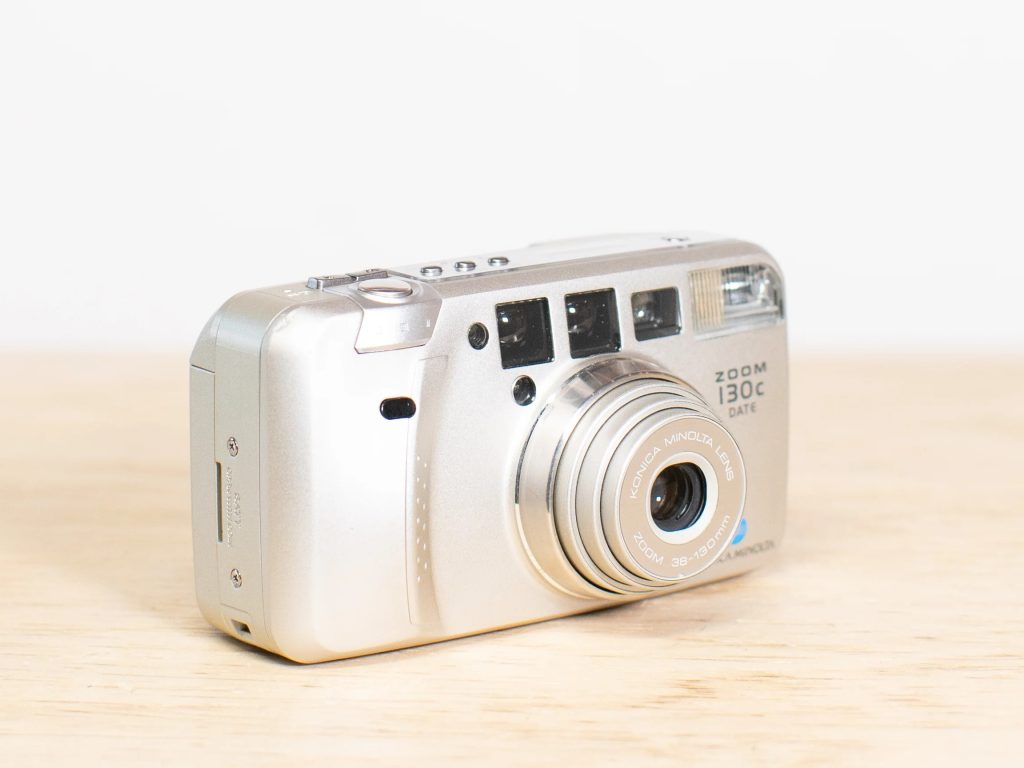
Typical Battery Life
Under normal conditions, the battery life of a Konica camera depends heavily on the type of battery being used:
- AA alkaline batteries: approximately 80 to 150 photos with the LCD screen switched on, up to around 300 photos with the LCD screen switched off, or roughly 75 minutes of continuous playback.
- NiMH rechargeable batteries (high capacity, e.g. 2,300 mAh): typically around 150 to 200 photos or more, with a playback time of 140 to 200 minutes.
- CR-V3 lithium batteries: generally around 200 to 500 photos, depending on the specific model.
Actual battery life can vary significantly depending on settings, cold weather, dirty battery contacts, and frequent zooming or half-pressing the shutter button to focus.
Can the Battery Be Replaced?
Yes. Almost all Konica digital cameras feature a user-accessible battery compartment. Camera models using AA or CR-V3 batteries allow standard batteries to be swapped easily. Dedicated lithium-ion battery packs are designed to be removable and can be replaced with original or compatible third-party alternatives.
If the battery life becomes extremely short after a full charge, the battery pack has reached the end of its service life and should be replaced. Please avoid mixing old and new batteries or combining batteries with different chemical compositions.
Common Signs of Battery Ageing
- The battery indicator on the LCD screen or status panel drops from full to half, then to a low-battery warning (often turning red) that remains permanently on display.
- A “Battery Exhausted” message appears shortly before the camera turns off.
- The display remains blank or the camera fails to power on at all, even when using a battery known to be fully working.
- Lens malfunctions caused by low power: the lens fails to retract fully, extends and retracts repeatedly, or moves erratically. This occurs because the initial power demand is high and the voltage drops rapidly.
- A noticeable reduction in the number of photos taken or a sharp drop in playback time despite a full charge.
- Slower flash recycling times or certain features becoming unavailable once the low-battery warning appears.
- For rechargeable batteries: capacity fails to recover even after proper charging, which usually occurs after numerous charge cycles or years in storage.
If you notice any of these symptoms, replace the batteries promptly. Carry spares when taking photos outdoors. When not using the camera for long periods, store partially charged battery packs in a cool place. Proper battery maintenance will restore the reliable performance of these classic digital cameras and extend their service life.